Best Kenyan Parks and Reserves
The parks of Kenya are very rich in fauna and flora. Very scenic offering dream photographic safaris.
The diversity of Kenya’s people, wildlife and habitats is superbly represented in the country’s many protected areas.
While national parks and reserves aim to protect flora, fauna and ecosystems, private reserves offer our guests distinctive health experiences that Kenya offers culturally, historically and ecologically
Amboseli National Park
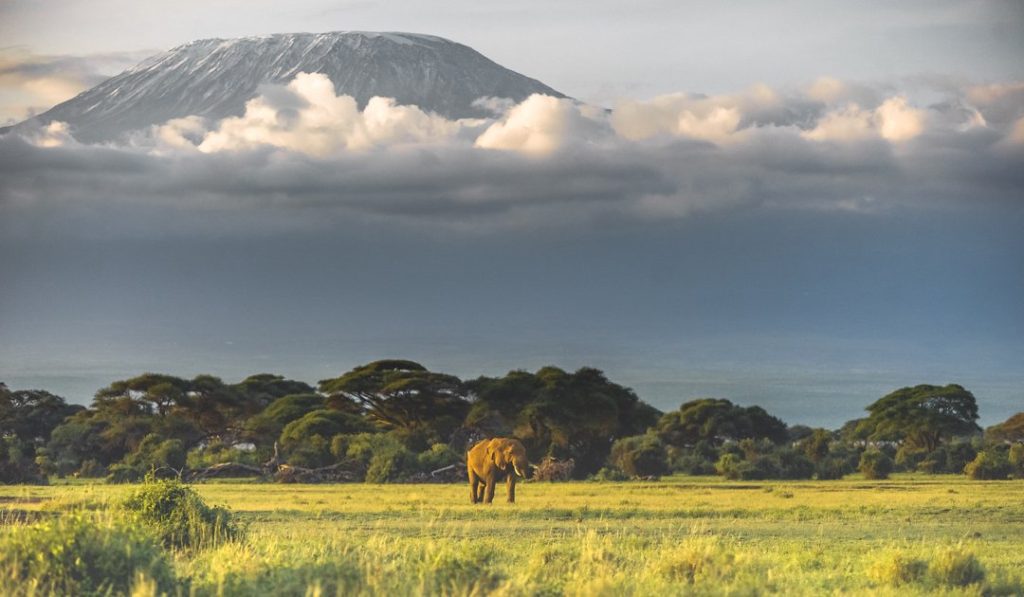
Amboseli Park Crowned by Mount Kilimanjaro, Africa’s highest peak, Amboseli National Park is one of Kenya’s most popular parks.
The name “Amboseli” comes from a Maasai word meaning “salt dust”, and it is one of the best places in Africa to see large herds of elephants up close.
Nature lovers can explore five different habitats here, ranging from the dry bed of Lake Amboseli, to wetlands with sulphur springs, to savannah and woodlands.
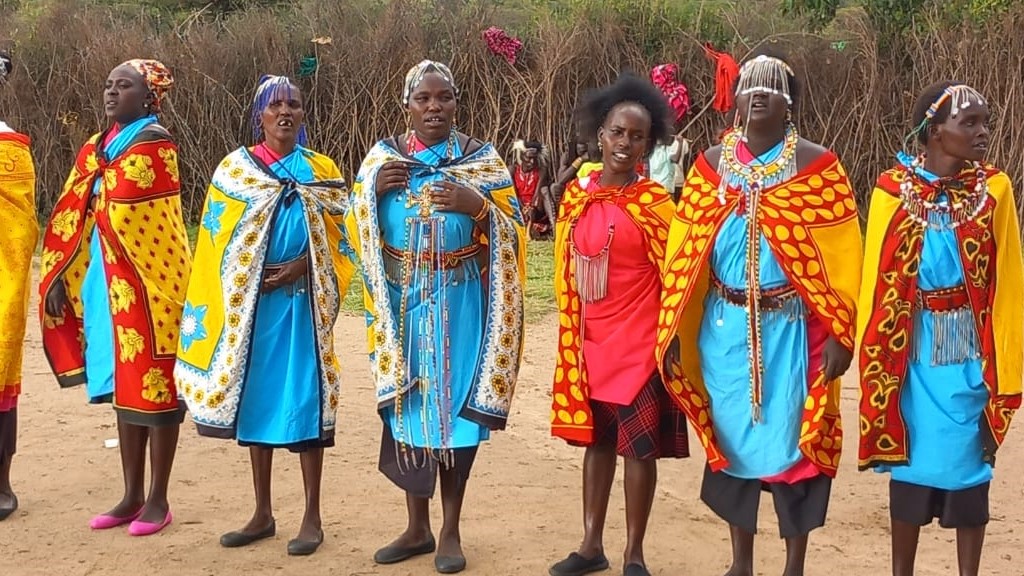
They can also visit the local Maasai community that lives around the park and experience their authentic culture.
The Lake Nakuru
Nakuru National Park, the park most famous for the colonies of flamingos that live on the shores of Lake Nakuru.
Lake Nakuru Park is one of the three premium game parks in Kenya and one of the most visited in the country. It is very popular with bird enthusiasts because of the many birds that live in this park.
The park is home to over 400 species of birds with the most spectacular being the flamingos that live on the lake and in the savannah grasslands of the park. Other bird species include the African fish eagle, the slender-billed green bulbul, the long-tailed widowbird, the rufous-throated wryneck, the mountain white-eye, the red-capped lark, the northern puffback, the Rüppell’s robin, the resplendent sunbird and many more. Nakuru National Park, although famous for its many birds, is also a very interesting game destination for animal lovers and wildlife explorers.
Lake Nakuru Park is home to over 100 endangered rhinos, including both black and white rhinos; the park is also home to the endangered Rothschild’s giraffe and 50 or more other animal species including buffalo, waterbuck, lion, impala and many more.
The Tsavo West National Park
Tsavo West National Park is located in southeastern Kenya and just southeast of its twin, Tsavo East National Park.
The national park covers an area of 3,500 square miles (9,065 sq km), making it smaller than its sister park. Although the eastern park is known for its abundance and variety of wildlife, the western is the more popular of the two parks due to its stunning scenery.
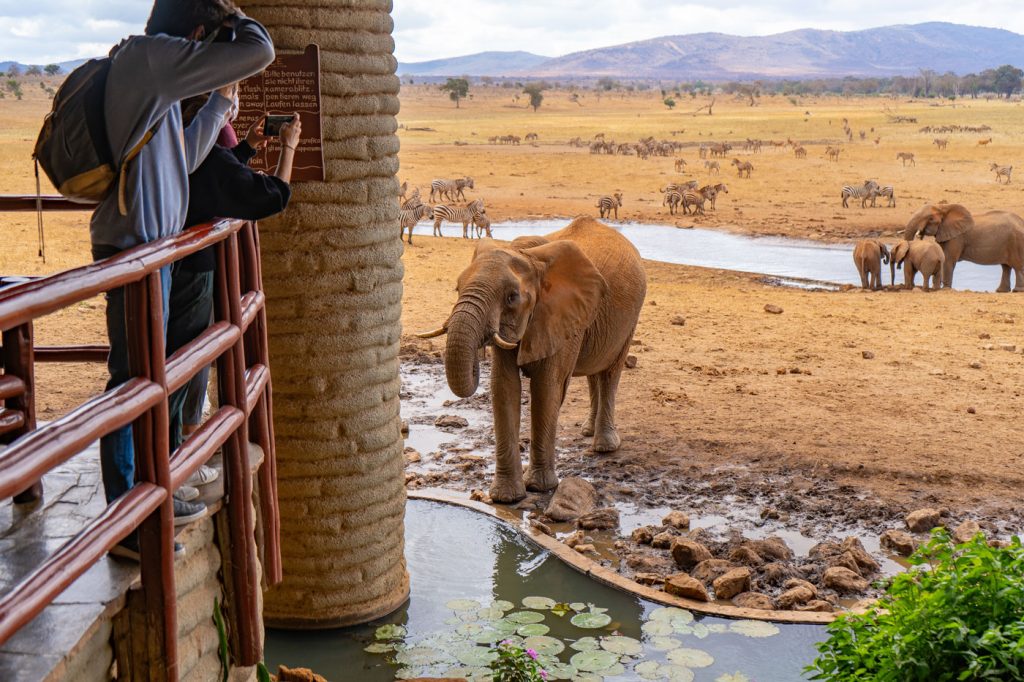
Other factors that help draw visitors to Tsavo West include its diverse and abundant wildlife, rhino sanctuary, Mzima Springs, a solid road network, and the potential for rock climbing and guided walks.
Tsavo West National Park is more mountainous and more diverse in its landscape. For some, it has more of an “African” feel when it comes to safari and wildlife activities.
Climbers enjoy tackling the cliffs within the park while elephants graze in the grasslands surrounding the area.
Kichwa Tembo is one of the most popular rock faces to climb with a vertical drop of 300 m (984 ft). A permit is required and an early start is recommended as temperatures often warm as the day progresses. Other popular climbs include Ivory Tower, Mastodon and Tsavo Great Chimney.
The Big 5 (lion, leopard, elephant, rhino and buffalo) are all present in Tsavo West and Tsavo East. Other popular species include hartebeest, kudu, giraffe, buffalo, hippo and many other species that migrate between Tsavo East and Tsavo West. Other wildlife species include the herdsman, baboon, bushbuck, dik-dik, duiker, eland, elephant, gazelle, genet, giraffe, hartebeest, hyrax, impala, klipspringer, kudu, oryx, porcupine, warthog, waterbuck, zebra and many smaller ones.
Bird watchers also have much to be excited about with over 500 species of birds found in Tsavo National Park. Ostriches are the largest birds, however they are accompanied by kingfishers, hornbills, herons, starlings, weavers, buzzards and kestrels among others.
The Masai Mara National Reserve
The Masai Mara is a must-see for any safari traveler. Soar into the crystal blue skies for a bird’s eye view of the golden African plains and its many inhabitants.
For a more up close and personal encounter, embark on an exciting jeep safari among the area’s lions, elephants and other wildlife, some of which are not found in other parks such as the white rhino.
The National Reserve and reserves never fail to be eye-catching and exciting.
Maasai Mara, sometimes spelled Masai Mara and known locally as simply Mara, is a large national game reserve in Narok, Kenya, adjacent to Serengeti National Park in Tanzania.
It is named in honor of the Masai people, the ancestral inhabitants of the area, who migrated to the area from the Nile basin. Their description of the area from afar: “Mara” means “spotted” in the local Maasai language, due to the low, bushy trees that dot the landscape.
It is one of Africa’s natural and wild areas, with its populations of lions, leopards, cheetahs and African elephants. It is also home to the Great Migration, which made it one of the seven natural wonders of Africa and one of the ten wonders of the world.
The Great Mara ecosystem includes areas known as the Masai Mara National Reserve, the Mara Triangle, several Maasai ranches and its reserves.
Tsavo East National Park
Here you can find the most evocative images of Africa.
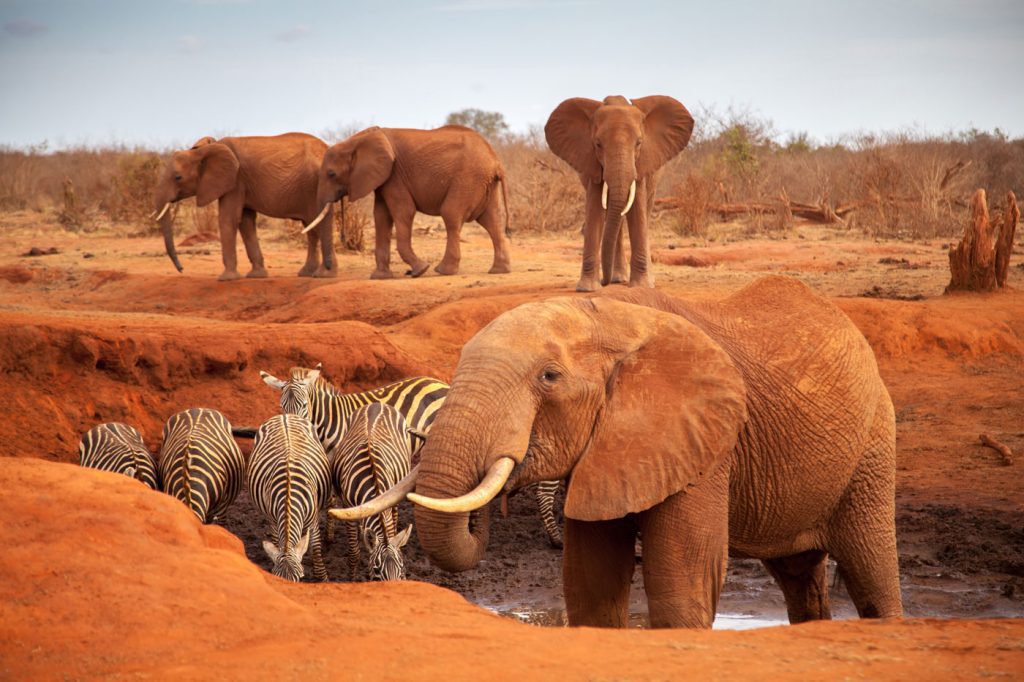
The enormous elephants that cover themselves in dust, dyeing themselves with the red of the savannah earth, or that wallow, roll and splash each other with the midnight blue waters of the Galana River, shaded by the wonderful palms of Doum.
You will find the Yatta Plateau, the longest lava flow in the world with its 300 km, dotted with immense baobabs, a landscape that makes the park unlike any other place in the world.
The park is the largest protected area in Kenya and is home to most of the most iconic mammals. You will be able to spot vast herds of red elephants, giraffes, rhinos, buffalo, follow the tracks of hunting lions and the very rare leopards, admire herds of hippos and crocodiles that emerge at the surface of the waters of the great river that crosses the park. All this among families of zebras that proceed in single file to protect their young from predators, water antelopes, gerenuk (the very cute gazelle-giraffes) and more than 500 species of birds and birds of prey.
If you want to experience the true essence of safari, you can’t miss this scenario!
The Taita Hills
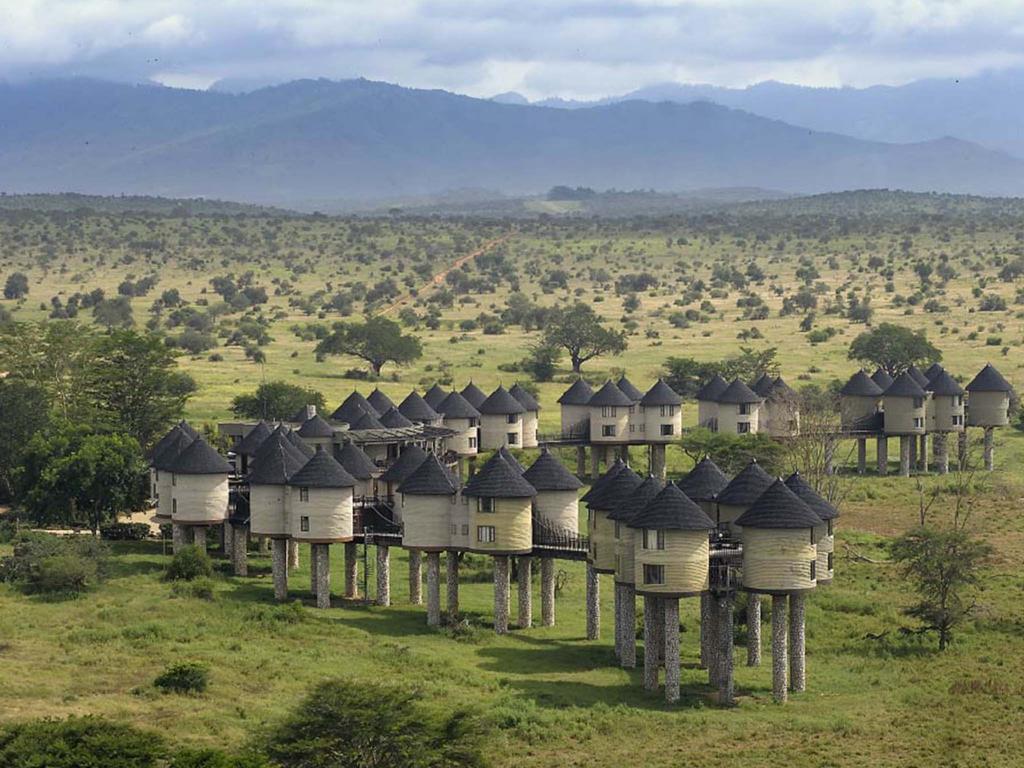
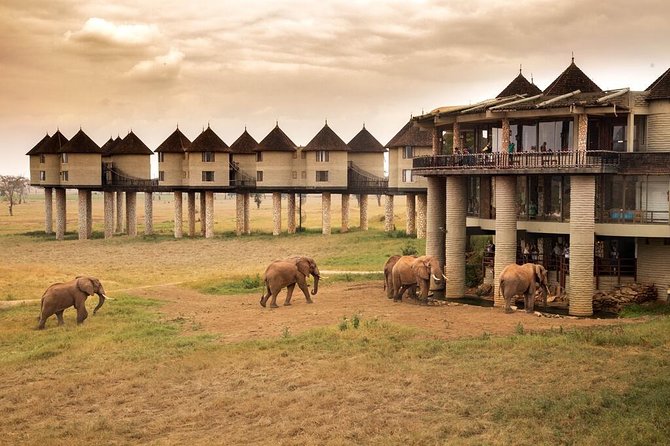
At 110 square kilometers, Taita Hills Wildlife Sanctuary is a relatively small park on the edge of Tsavo West National Park where you can enjoy the green hills of the Eastern Arc mountain range.
Part of the beautiful Eastern Arc mountain range, the Taita Hills stretch from Kenya to neighboring Tanzania and are among the oldest mountain ranges in Africa.
About thirty million years ago, this entire area was rainforest and, about ten million years ago, the lowland forests slowly converted to savannah. This transformed the mountain ranges into “islands” where tropical forests continued to thrive.
As a result, each has its own variety of endemic animals and plants.
Today, the Eastern Arc is one of the top twenty biodiversity hotspots in the world.
In addition to the usual wildlife, many endemic species inhabit the 110 km2 of the Taita Hills. Kenya’s rarest (and most endangered) birds are found here: the Taita apalis and the Taita thrush. But the Taita Hills purple glossy snake, the blade-horned chameleon, the Taita falcon, the white-eyed snake and the southern banded serpent eagle also call the area home. Larger wildlife enthusiasts can look for African elephants, lions, cheetahs, buffaloes, leopards, hyenas, hippos, giraffes and zebras. The Taita Hills also have areas of cloud forests, forests that usually have a layer of clouds hanging above.
These forests are home to very old native trees, which can grow to the diameter of ten people holding hands.
Other Destinations
Samburu
North of the Equator, it is home to uniquely local species such as the reticulated giraffe and Grevy’s zebra. Fascinating semi-arid landscape.
Meru
Less visited park in the north of the country. Excellent for spotting rare animals such as the greater kudu and giraffe.
Nairobi
The only national park located in a capital city. Unique safari opportunities just a few km from the city.